Top 10 DIY Projects for Aspiring Engineers
As an engineer with a passion for hands-on projects, I've found that DIY initiatives not only enhance our technical skills but also provide immense satisfaction. Engaging in DIY projects can be the perfect way to apply theoretical knowledge and explore innovative ideas. This guide aims to direct you to exciting DIY projects that cater to all levels of expertise, enabling you to build upon your engineering skills while enjoying the creativity involved.
Contents
- 1Choosing the Right Project Based on Your Skill Level
- 2Our Top Recommendations for Beginners
- 3Expert-Level Projects for Advanced Engineers
- 4Best Value DIY Projects for Engineers on a Budget
- 5Premium DIY Projects for the Discerning Engineer
- 6Key Selection Criteria for Your DIY Projects
- 7Our selection of the best products
- ?Frequently Asked Questions
1Choosing the Right Project Based on Your Skill Level
When it comes to selecting the right DIY projects for engineers, it’s essential to consider your current skill level and interests. This ensures that the projects you choose will not only be enjoyable but also beneficial for your skill enhancement. Beginners might prefer simpler projects that focus on foundational concepts, while advanced engineers can tackle more complex challenges that demand innovative solutions and critical thinking.
#### Beginner Engineers
If you're new to engineering, starting with projects like building simple electronic circuits or designing basic structures can be excellent choices. These projects help you grasp essential principles, including circuitry, static loads, and stress distribution.
#### Intermediate Engineers
Once you’ve mastered basic concepts, consider projects that require intermediate skills, such as creating a small robotic arm or a weather station. These initiatives often blend multiple disciplines like mechanical, electrical, and software engineering, offering a comprehensive learning experience.
#### Advanced Engineers
For those with substantial experience, delving into areas such as home automation or renewable energy projects can be fulfilling. These projects often involve intricate problem-solving and innovative design, pushing the boundaries of your knowledge.
This segmented approach helps you navigate your learning journey effectively.
2Our Top Recommendations for Beginners
For beginner engineers, starting with manageable and engaging projects is key to building confidence. Here are a few recommended projects:
1. Simple LED Circuit: Create a basic circuit using a breadboard, LED, resistors, and a power source. This project helps you understand the basics of electronics and circuit design.
- Tools Required: Breadboard, jumper wires, LED, resistors, multimeter.
2. Mini Catapult: Build a mini catapult using popsicle sticks and rubber bands to explore concepts of potential and kinetic energy.
- Tools Required: Popsicle sticks, rubber bands, and a small projectile (like a marshmallow).
3. Basic Water Filtration System: Design a filtration system using sand, gravel, and charcoal to learn about filtration principles and environmental engineering.
- Tools Required: Plastic bottles, sand, gravel, charcoal.
These projects not only solidify foundational engineering concepts but also spark creativity and problem-solving skills.
3Expert-Level Projects for Advanced Engineers
For experienced engineers looking for a challenge, consider these advanced DIY projects:
1. Home Automation System: Create a system that regulates home appliances through a smartphone app. This integrates software programming, networking, and hardware interaction.
- Tools and Skills Required: Arduino/Raspberry Pi, sensors, programming knowledge, and a smartphone app.
2. Wind Turbine: Design and build a small wind turbine to generate electricity. This project allows you to explore renewable energy concepts and aerodynamics.
- Tools and Skills Required: Advanced mechanical knowledge, generator, blades (can be 3D printed), and an understanding of power generation principles.
3. Robotic Arm: Construct a programmable robotic arm that can perform tasks. This integrates mechanical, electrical, and control systems engineering.
- Tools and Skills Required: 3D printing or materials for the structure, servo motors, microcontrollers, and programming skills.
These projects require a solid understanding of engineering principles and are ideal for pushing your skills to new heights.
4Best Value DIY Projects for Engineers on a Budget
If you're looking for excellent projects that respect a budget while still being engaging, consider the following options:
1. Solar Oven: Create a simple solar oven using cardboard and aluminium foil. This project teaches about solar energy and thermodynamics without heavy investment.
- Cost: Approximately £20.
2. DIY Drone: Build a basic drone from affordable materials. Start with simple parts to explore aerodynamics and electronics without breaking the bank.
- Cost: Approximately £50-£60.
3. Penny-Sized Water Pump: Make a small water pump using a DC motor, which can help you understand fluid dynamics.
- Cost: Approximately £10-£15.
These projects help nurture creativity and engineering skills without requiring a large financial commitment, making them accessible for many.
5Premium DIY Projects for the Discerning Engineer
For those seeking high-end projects that utilize advanced technology and materials, the following are our top picks:
1. High-Performance Quadcopter: Building a custom quadcopter with advanced features, such as GPS and camera integration. This project dives deep into aerodynamics, electronics, and programming.
- Estimated Cost: £200+
2. Smart Robot Kit: Invest in a high-quality robotics kit that offers various advanced functionalities.
- Estimated Cost: £150+
3. 3D Printer: Creating your own 3D printer allows you to delve into additive manufacturing. This project covers mechanical design, electronics, and software engineering.
- Estimated Cost: £400+
These premium projects cater to those who wish to invest in quality and exploration of cutting-edge engineering solutions.
6Key Selection Criteria for Your DIY Projects
Selecting the right DIY project is essential to ensure you achieve both satisfaction and learning in your engineering journey. Here are the critical criteria to consider:
1. Skill Level: Match the project to your current skills. It should challenge you but not be so difficult that it results in frustration.
2. Time Commitment: Assess how much time you can dedicate. Some projects, especially in the advanced category, might take weeks or even months.
3. Material Costs: Be clear about your budget. High-cost projects should align with your goals and expected learning outcomes.
4. Learning Outcomes: Determine what skills you want to develop. Projects should enhance your knowledge, whether in electronics, mechanics, programming, or another area.
5. Personal Interest: Choose projects that genuinely excite you. Passion often leads to greater engagement and creativity during your work.
Our selection of the best products
Raspberry Pi 4 Model B
AliExpress PL

A versatile single-board computer that allows for countless projects, from home automation to robotics, perfect for those looking to expand their skills.
Pros
- Compact size
- High processing power
- Large community support
Cons
- Requires programming knowledge
- Often needs additional peripherals/sensors
Dremel 3000 Rotary Tool Kit
Tooled Up
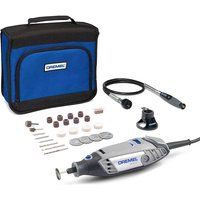
The Dremel 3000 tool is perfect for various DIY projects where precision and versatility are essential. It's a reliable companion for hobbyists and professionals alike.
Pros
- Wide range of attachments
- Suitable for various materials
- Lightweight and easy to handle
Cons
- May require practice to master
- Some attachments sold separately
Norse Projects Herluf Light Nylon Jacket Dried Sage Green
parasolstore.co.uk

The Herluf Light Nylon is constructed from a lightweight stretch nylon with mini ripstop structure. This half-zip style features neck gusset for ease of wear, and a comfortable hood. Concealed zip side pockets finish the style, with elasticated binding around hem, cuffs and hood. 94% polyamide, 6% spandex 54 gsm Relaxed fit
Faithfull Engineers Triangular Hand Scraper 8" / 200mm
Tooled Up

The Faithfull Engineers Triangular Hand Scraper is a precision tool designed for removing high spots on machined metal surfaces. This essential scraping tool features a triangular blade profile that enables accurate material removal and surface finishing work on engineering components and machine parts. Manufactured from selected steel, this hand scraper is suitably hardened and lightly tempered to deliver lasting durability in workshop environments. The heat treatment process ensures the cuttin
Sponsored by Lopardi
National Gallery Make Art: 20 free-play art projects to create
nationalgallery.co.uk

Calling all young creators—get ready to make art like never before!From bold brushstrokes to playful prints, Make Art is bursting with inspiring ideas to help kids dive into the world of art-making. With over 40 creative activities and hands-on projects—using everything from paint and collage to everyday objects—this colourful guide shows that there’s no one “right” way to be an artist.Packed with fun prompts, brilliant tips, and real examples from contemporary artists, this book encourages chil
Enterprise Blockchain Bootcamp for Solutions Engineers Training Course
Learning 24/7

Course Description Blockchain technologies are now more than just a trial run. They are starting to go from a Proof of Concept to a Production use case. As a pre-sales engineer, solutions engineer or technically focused expert facing customers, knowing how to speak blockchain is going to be a required skill especially for large VARs, Vendors, Integrators, etc. So if you're a customer-facing technical sales expert focused on driving revenue then this course will help enable you to get started tal
Sponsored by Lopardi
Norse Projects Herluf Light Nylon Jacket Dried Sage Green
parasolstore.co.uk
The Herluf Light Nylon is constructed from a lightweight stretch nylon with mini ripstop structure. This half-zip style features neck gusset for ease of wear, and a comfortable hood. Concealed zip side pockets finish the style, with elasticated binding around hem, cuffs and hood. 94% polyamide, 6% spandex 54 gsm Relaxed fit
Expert by Facom Engineers Riveting Hammer 2.4kg
Tooled Up

Riveting hammerSpecifications:- Head hardness 50-58 HRC- Head-handle connected by epoxy resin- Hickory handle- Domed headSpecification:Height: 55mmLength: 370mmWeight: 2400g
Sponsored by Lopardi
National Gallery Make Art: 20 free-play art projects to create
nationalgallery.co.uk
Calling all young creators—get ready to make art like never before!From bold brushstrokes to playful prints, Make Art is bursting with inspiring ideas to help kids dive into the world of art-making. With over 40 creative activities and hands-on projects—using everything from paint and collage to everyday objects—this colourful guide shows that there’s no one “right” way to be an artist.Packed with fun prompts, brilliant tips, and real examples from contemporary artists, this book encourages chil
Mini projects in electronics solar system mobile power bank charger for samsung galaxy s3
Alibaba UK

Wholesale Price ,Trade Assurance | Alibaba.com
Sponsored by Lopardi
Norse Projects Herluf Light Nylon Jacket Dried Sage Green
parasolstore.co.uk
The Herluf Light Nylon is constructed from a lightweight stretch nylon with mini ripstop structure. This half-zip style features neck gusset for ease of wear, and a comfortable hood. Concealed zip side pockets finish the style, with elasticated binding around hem, cuffs and hood. 94% polyamide, 6% spandex 54 gsm Relaxed fit
Draper Engineers Bench Vice 100mm
Tooled Up
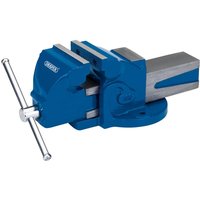
The Draper Engineers Bench Vice with 100mm jaw width is the compact option in the range, ideal for smaller workbenches or where space is at a premium. This size is perfect for light to medium-duty engineering tasks, model making, and precision work where a smaller footprint is beneficial. Despite its compact dimensions, this 100mm vice maintains the same quality construction as the larger models. The cast iron body provides excellent rigidity, whilst the steel screw and handle deliver smooth, co
Sponsored by Lopardi
Conclusion
In conclusion, diving into DIY projects can significantly bolster your engineering capabilities while providing a rewarding experience. Whether you're just starting or looking to challenge your advanced skills, there's a project suited for you. Get involved, experiment, and most importantly, have fun! Explore the projects mentioned and let your engineering creativity take flight.